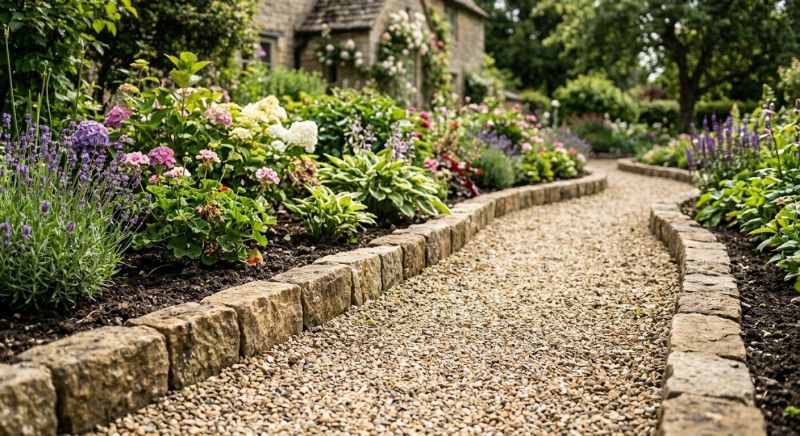
Stone Edging Installation in Stamford, CT
Stone edging installation is a durable and attractive way to define landscape features and create clean borders around gardens, flower beds, pathways, and lawns. This service involves placing natural or manufactured stone materials along the edges of various landscape elements to improve their appearance and prevent soil erosion. Property owners often request stone edging for its long-lasting strength and natural aesthetic, making it suitable for both decorative and functional purposes in residential yards and gardens.
Before requesting stone edging installation, homeowners typically want to understand the different types of stones available, such as flagstone, limestone, or granite, and how each can complement their existing landscape. It’s also important to consider the scope of the project, including the length and height of the edging, as well as any grading or preparation needed to ensure stability. Clarifying these details can help property owners choose the best materials and design options to meet their landscape goals.
Many property owners in Stamford, CT look into Stone Edging Installation for repairs, replacements, upgrades, and appearance-related improvements.
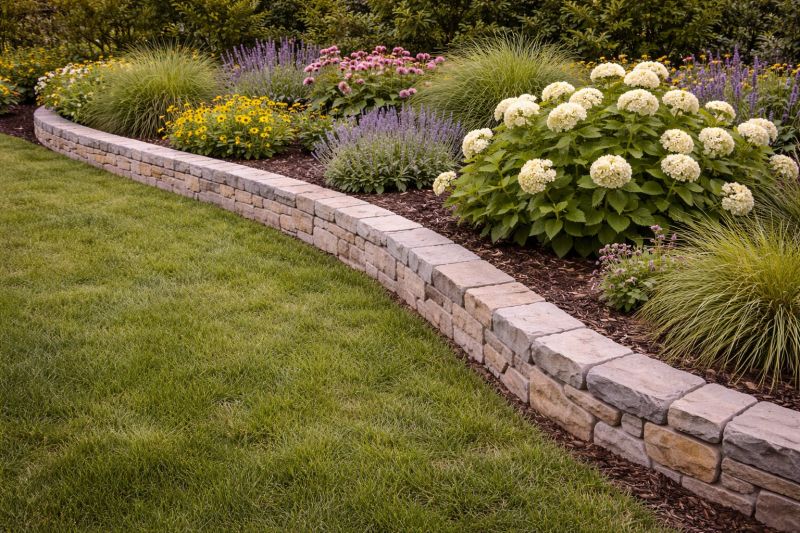
Enhancing Garden Borders
Stone edging provides a clean, defined look for garden beds and landscape borders.
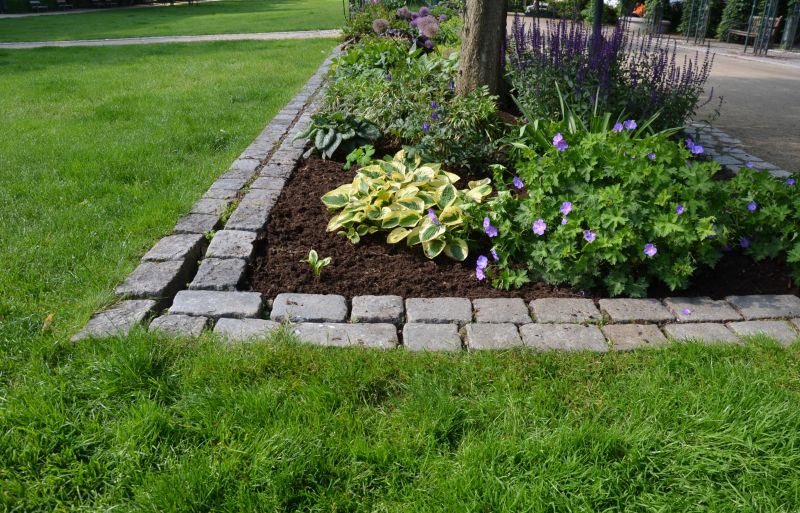
Erosion Control Solutions
Properly installed stone edging helps prevent soil erosion around driveways and walkways.
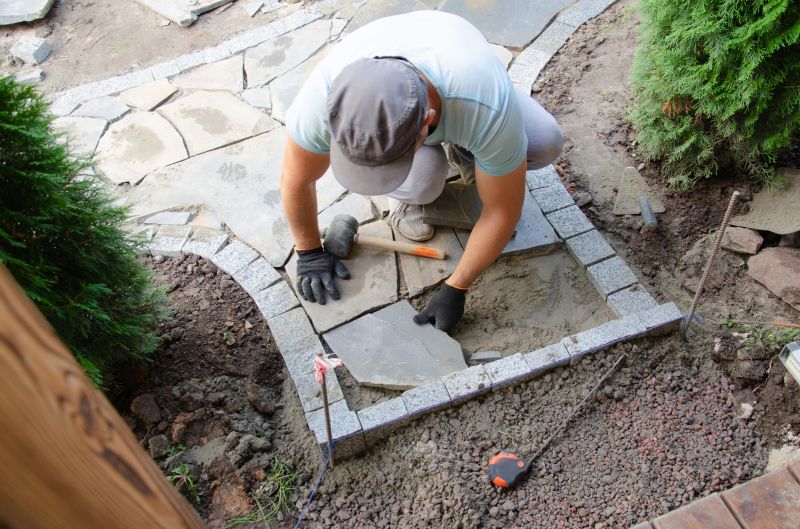
Durable Landscape Features
Stone edges create long-lasting boundaries that withstand weather and foot traffic in stamford, ct.
Stone Edging Installation in Stamford, CT

Stone edging installation is a durable and attractive way to define landscape features and create clean borders around gardens, flower beds, pathways, and lawns. This service involves placing natural or manufactured stone materials along the edges of various landscape elements to improve their appearance and prevent soil erosion. Property owners often request stone edging for its long-lasting strength and natural aesthetic, making it suitable for both decorative and functional purposes in residential yards and gardens.
Before requesting stone edging installation, homeowners typically want to understand the different types of stones available, such as flagstone, limestone, or granite, and how each can complement their existing landscape. It’s also important to consider the scope of the project, including the length and height of the edging, as well as any grading or preparation needed to ensure stability. Clarifying these details can help property owners choose the best materials and design options to meet their landscape goals.
Many property owners in Stamford, CT look into Stone Edging Installation for repairs, replacements, upgrades, and appearance-related improvements.
Common Stone Edging Installation Jobs
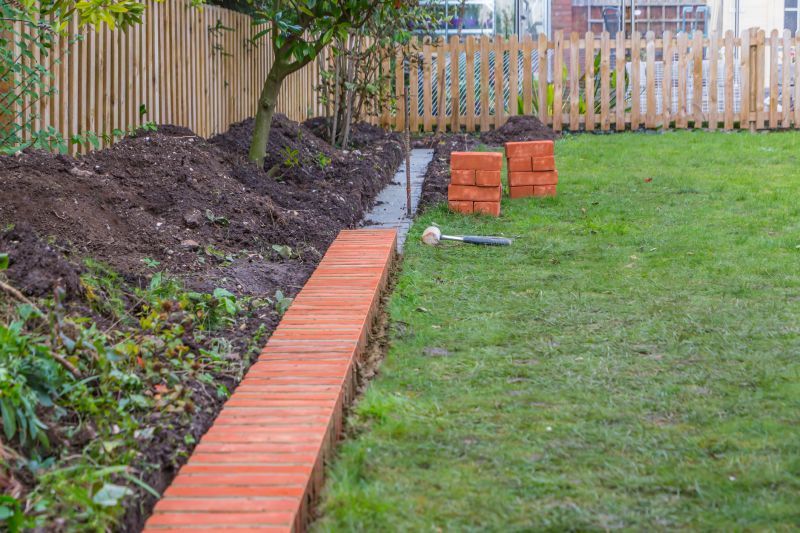
Garden bed edging - defines planting areas and keeps mulch in place.
Pathway borders - creates durable, attractive edges for walkways.
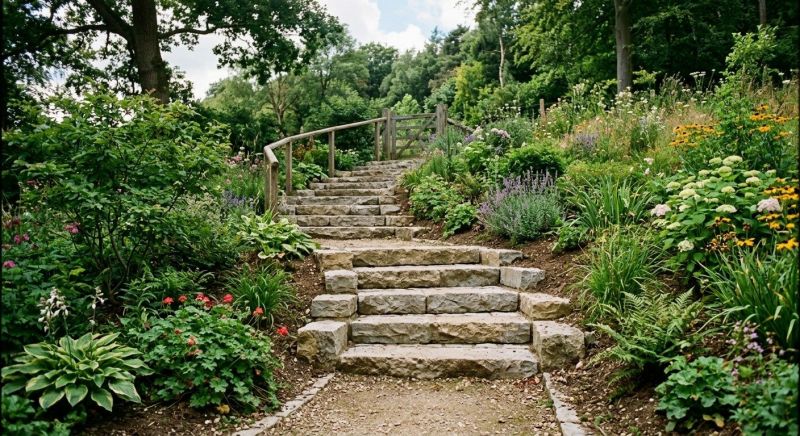
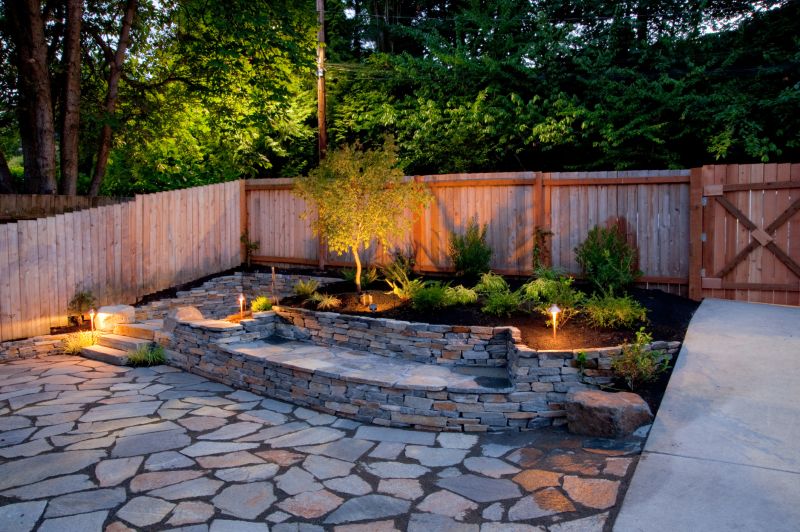
Retaining walls - stabilizes slopes and prevents soil erosion.
Driveway borders - enhances curb appeal while providing a clean edge.
Landscape accents - adds texture and visual interest to yard features.
Erosion control - helps prevent soil movement along slopes and garden beds.
Stone Edging Installation Questions
What is stone edging installation? It involves placing natural or manufactured stones along garden beds, pathways, or property borders to define spaces and add visual appeal.
What types of stones are used for edging? Common options include granite, limestone, sandstone, and slate, chosen for durability and aesthetic match with the landscape.
Can stone edging be customized to fit different property styles? Yes, stone edging can be tailored in size, shape, and layout to complement various landscape designs and personal preferences.
What are typical projects for stone edging? Projects often include defining garden beds, creating borders around patios, or outlining pathways for a polished look.
Request Stone Edging Installation in Stamford, CT
Use the quote form on this page to share the basics of your project and request more information for the type of work you need.