Thorough Chimney Examination for Peace of Mind
Regular chimney inspections are essential to ensure the safety and proper functioning of fireplaces and chimneys. A thorough assessment can identify potential issues before they develop into costly repairs or safety hazards.
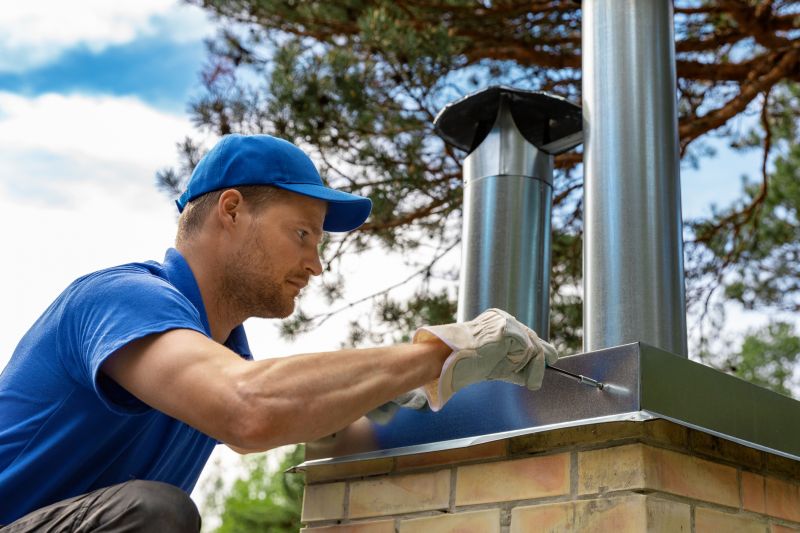
A properly installed chimney cap prevents debris, animals, and water from entering the chimney, reducing the risk of damage and blockages.
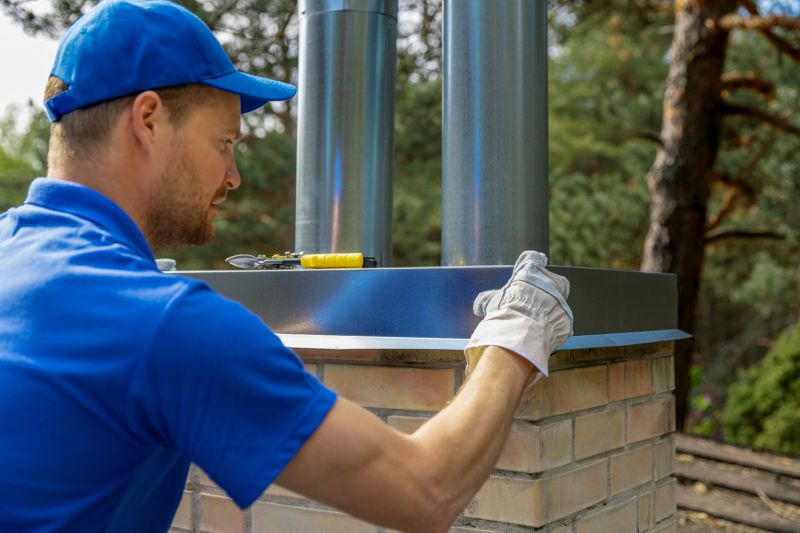
Inspecting the liner ensures it is intact and free of cracks, which is vital for containing heat and preventing fire hazards.
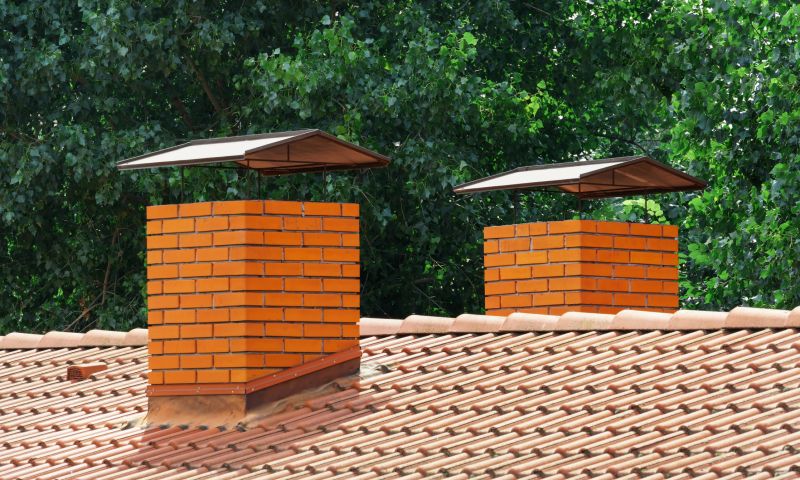
A functioning damper controls airflow and prevents heat loss, improving fireplace efficiency and safety.
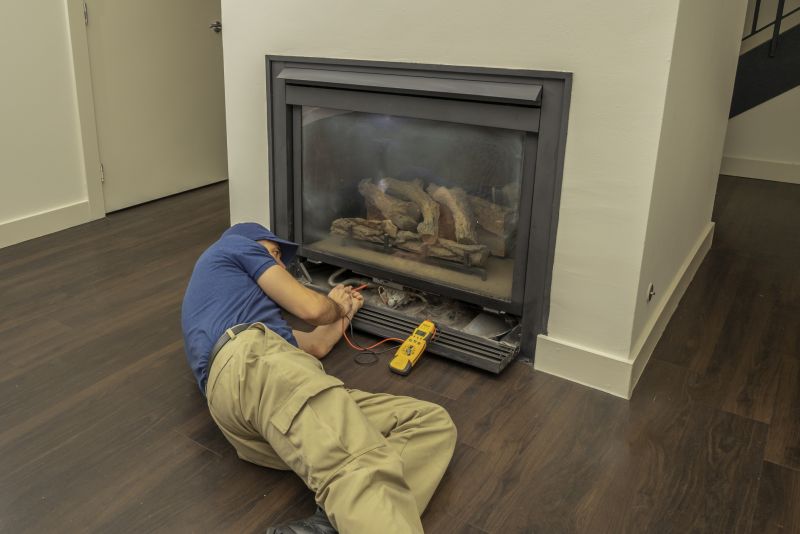
Examining the interior of the fireplace helps identify creosote buildup and structural issues that could pose safety risks.
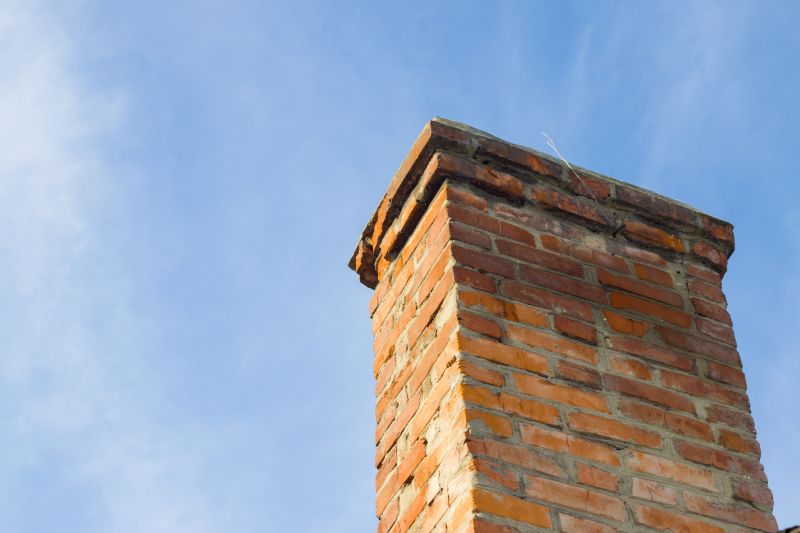
Assessing the exterior ensures there are no signs of deterioration, cracks, or water damage affecting the chimney's stability.
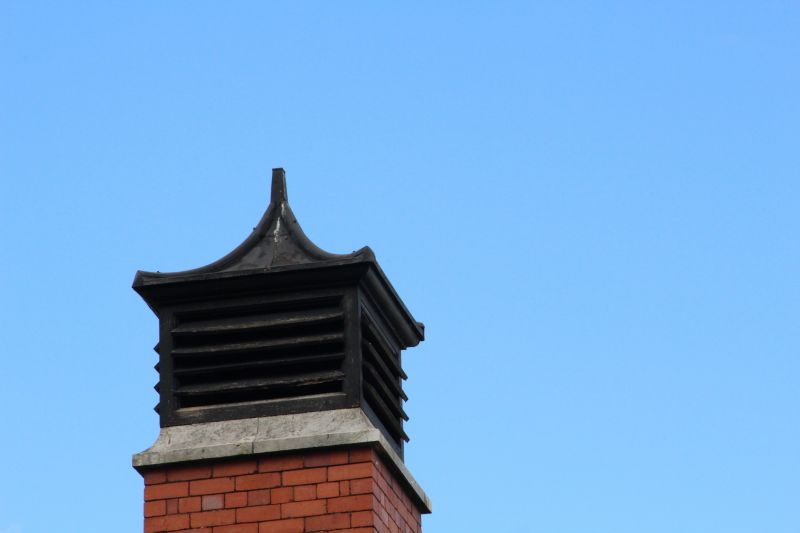
The crown protects the top of the chimney from water penetration and damage, extending its lifespan.
Chimney inspections help detect issues such as creosote buildup, blockages, damaged liners, and deteriorated components. Neglecting these aspects can lead to dangerous situations, including chimney fires, carbon monoxide leaks, and structural damage. Ensuring all components like the chimney cap, liner, damper, and crown are in good condition is crucial for safe operation.
Protects the chimney opening from debris, water, and animals, maintaining proper airflow and preventing damage.
Contains heat and directs smoke safely outside, reducing fire risk and improving efficiency.
Prevents water penetration and protects the top of the chimney from weather-related damage.
Regular inspections can extend the lifespan of a chimney and fireplace system while reducing safety hazards. Addressing minor issues early can prevent costly repairs and ensure safe operation during colder months.
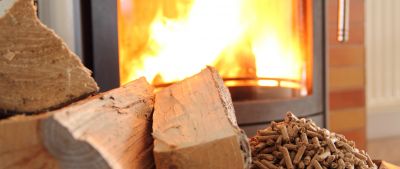
A traditional wood fireplace with a well-maintained chimney system.
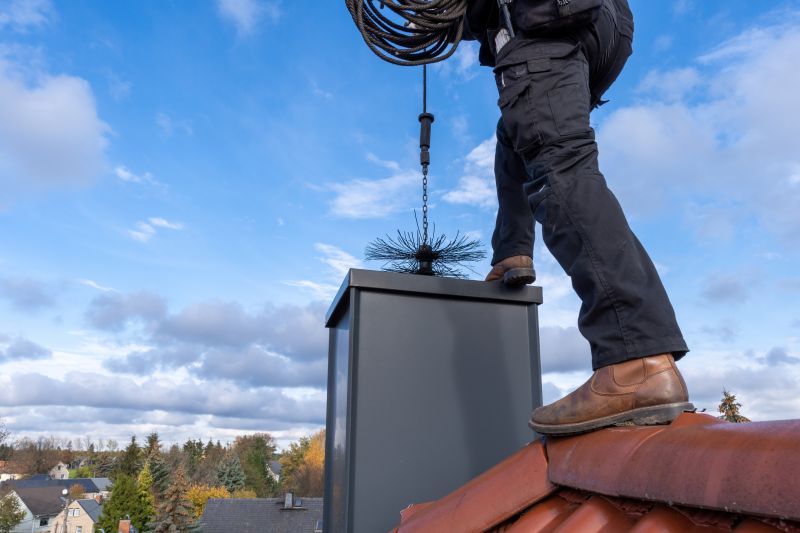
Shows the importance of regular cleaning and inspection to prevent fire hazards.
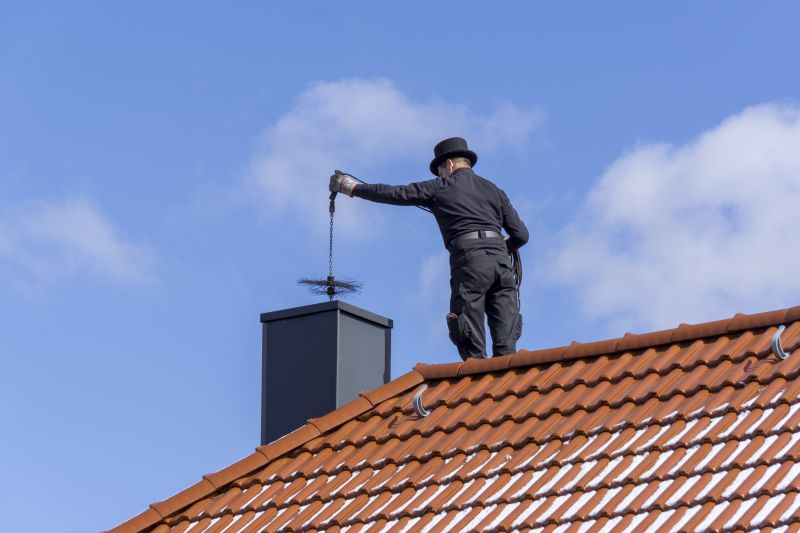
Professional assessment of a chimney's internal components.
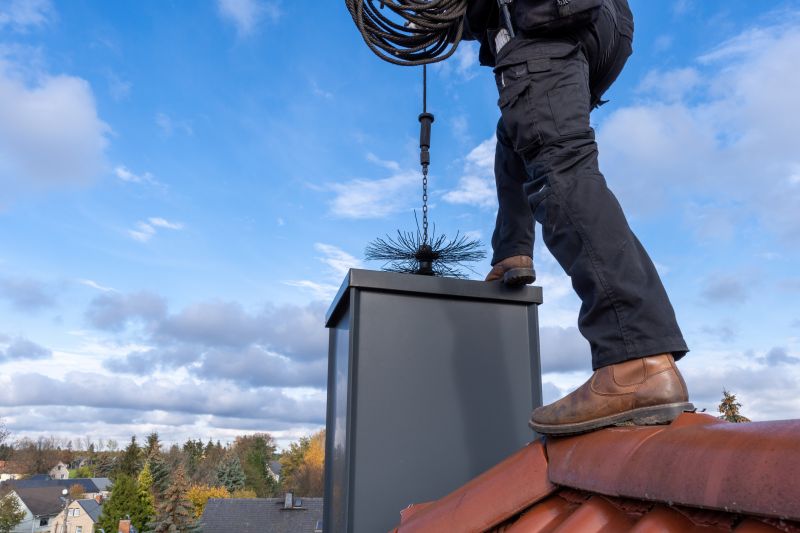
A chimney after thorough cleaning, ready for safe use.
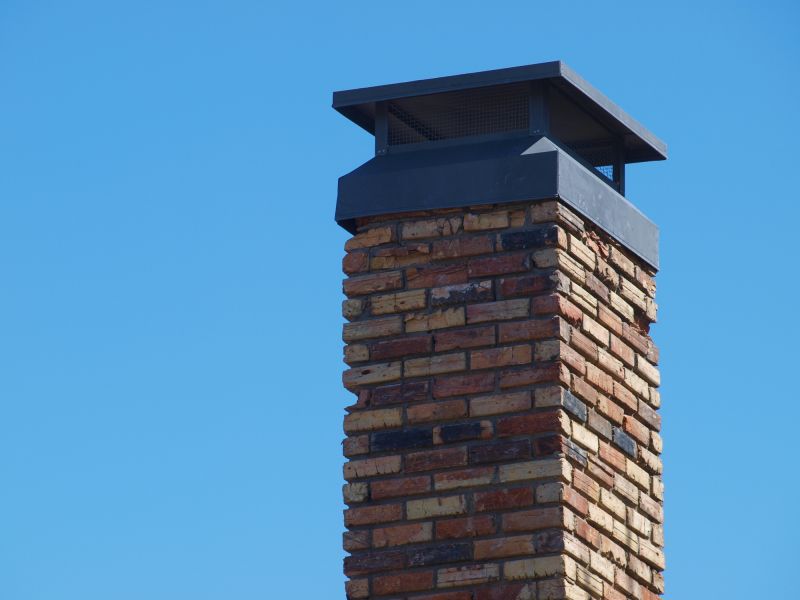
A close-up of a damper, essential for airflow control.
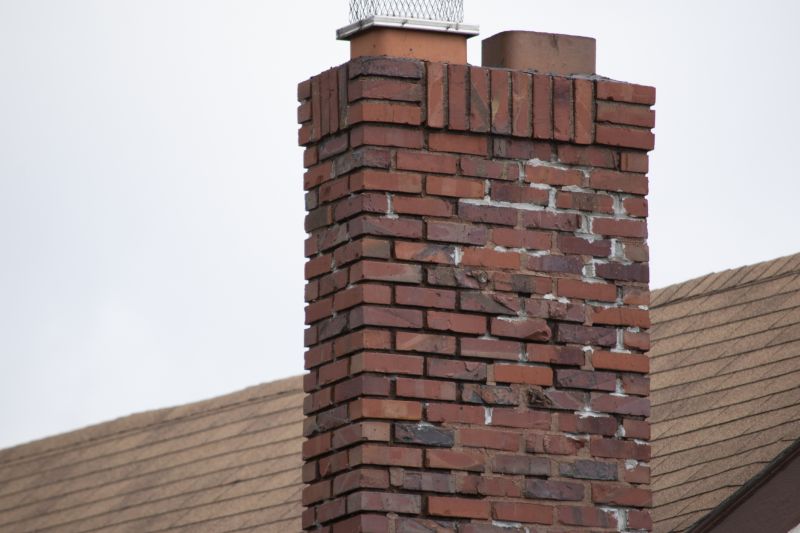
Highlighting the importance of exterior maintenance to prevent deterioration.
Homeowners are encouraged to schedule routine chimney inspections to maintain safety and efficiency. Properly functioning chimneys reduce the risk of fire, carbon monoxide poisoning, and structural damage. For a detailed assessment and to ensure the safety of a fireplace system, contact through the provided form to receive a comprehensive quote for chimney inspection services.